

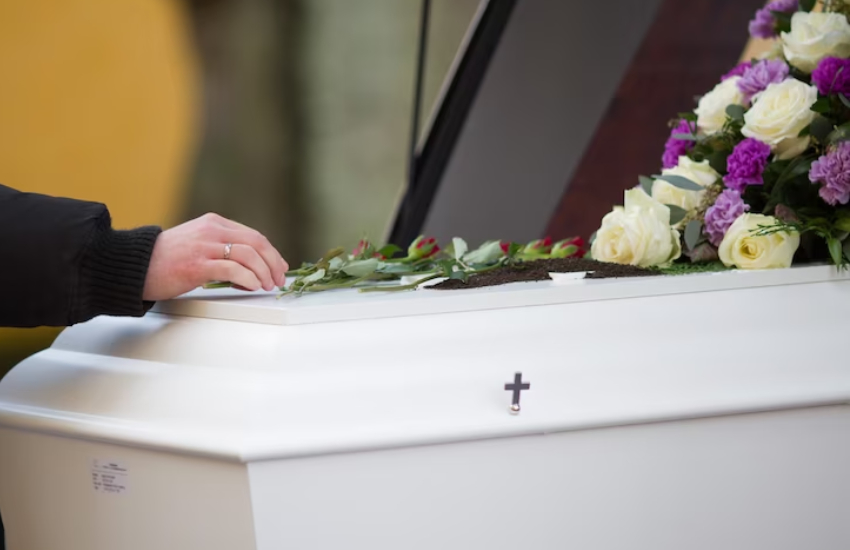
In today’s world, more and more people are turning to direct cremation services as an alternative to a traditional funeral service because of its simplicity and affordability. This type of cremation services makes it easy for family members to make arrangements for the disposition of their deceased loved one without the stress and expense of a traditional funeral. Graveside services can also be arranged before or after the cremation to provide further comfort to the grieving family. In this article, we will discuss what direct cremation services are, why they are chosen, how they work, tips for choosing a provider, the types of direct cremations available, the advantages and disadvantages of direct cremations, and the cost of direct cremations.
What Is Direct Cremation Services?
Direct cremation services are a convenient and affordable way to honor the memory of your loved one after they pass away. Rather than a traditional funeral service, direct cremation services involve a simplified approach to the disposition of a deceased person. Direct cremation services involve the transfer of the deceased body to the crematorium, the cremation process, and the return of the ashes to the family or designated next-of-kin.
Why Choose Direct Cremation Services?
Direct cremation services are a simple and economical way to memorialize a loved one. The simplified process of direct cremations allows families to focus their resources on celebrating the life of their loved one, without the burden of the cost and complexity of a traditional funeral. In addition, many people choose direct cremation services over a traditional burial because it is environmentally friendly and reduces the need for land and resources.
How Does Direct Cremation Work?
Direct cremation is a relatively simple process. After the death has been verified by a doctor, a funeral home will take custody of the deceased and transfer them to a crematorium. At the crematorium, the body is placed into the cremation chamber and exposed to high temperatures which reduce the body to ashes. The cremated remains are then returned to the family or designated individual. The entire process typically takes two to three days.
Tips For Choosing A Direct Cremation Provider
- Research your options: Make sure to research all aspects of cremation services when selecting a direct cremation provider, including services offered, cost, customer service, licensing, and more.
- Get referrals: Ask friends and family members who have used direct cremation services before for their opinion and recommendations.
- Check their reputation: Make sure to do a thorough online search of the direct cremation provider you’re considering, and read reviews and testimonials.
- Look for services they offer: Choose a provider that can offer additional services such as transport of the body to the facility, preparation of the remains, and assistance with memorial services.
- Compare prices: Cost is an important consideration, so make sure to get quotes from multiple providers and compare them.
- Ask about their credentials: Confirm that the direct cremation provider is licensed with the government and other agencies, as well as insured and accredited.
- Visit their facility: If feasible, visit the facility in person to ensure it meets your standards.
- Assess their customer service: Test the responsiveness and helpfulness of the provider’s customer service team. Are they accommodating to your questions? Do they have a grief counselor on staff?
Types Of Direct Cremations Available
- Private Direct Cremation: This is where the body is cremated on its own and the ashes are returned only to the family of the deceased.
- Immediate Direct Cremation: This type of cremation is available for families with an immediate need for burial services. The body is collected from the place of death and immediately cremated.
- Traditional Direct Cremation: This is the most common direct cremation option. In this type, the body is collected from the place of death and taken to the crematorium, where it is followed by a short service that includes prayers or a memorial tribute.
- Simple Direct Cremation: In this type of cremation, there is no service or ceremony. The funeral director will simply transport the body directly to the crematorium and return the ashes to the family.
Benefits Of Direct Cremation
Direct cremation services offer many advantages over the traditional way of honoring a loved one. Direct cremations are typically less expensive than traditional funerals, allowing families to put their money towards celebrating the life of their loved one or alleviating some of their financial stressors. Direct cremations also provide families with the flexibility to hold memorial services, viewings, or graveside services on their own time and at their own discretion.
Understanding The Cost Of Direct Cremations
The cost of direct cremation services depends on a variety of factors, such as geographical location, the cremation provider, the choice of urn, and any additional services requested. Direct cremations are typically more economical than traditional funerals, but it is important to do research in order to find the most affordable option for your needs.
Conclusion
Direct cremation services are an excellent way to honor the memory of your loved one with simple dignity and elegance. The simplified process can help alleviate financial and emotional stress, while still providing an opportunity to pay tribute to the life of the deceased. It is important to research your options to find the best and most affordable direct cremation provider, while still providing a respectful and meaningful tribute to your loved one.

Donald Mabry was born in New Jersey, Studied at Drew University. Currently working as Author at YoungMontana, Donald Mabry helps readers learn the Bussiness, Construction, Health, Law hone their skills, and find their unique voice so they can stand out from the crowd.