

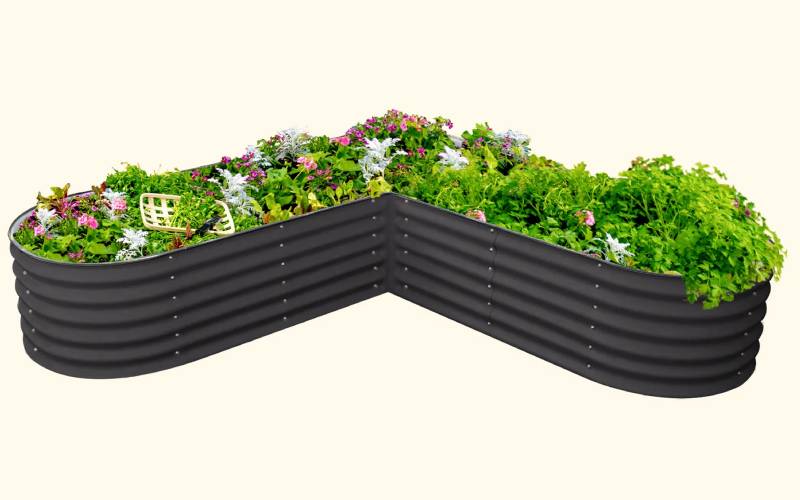
Gardening enthusiasts are continually seeking innovative ways to transform their outdoor spaces into thriving green havens. One of the most versatile and efficient solutions to elevate your gardening game is the use of a raised garden bed kit. In this comprehensive guide, we’ll explore the world of raised garden bed kits, unraveling what they are and how they work. You’ll discover the myriad reasons why these kits have become a must-have for gardeners of all levels. Learn how to select the right type of raised garden bed kit to suit your unique needs and preferences. We’ll also provide valuable insights and tips on setting up and maintaining your kit for optimum results. Discover the types of plants that thrive in raised garden beds, as well as strategies for maximizing your garden space, even in the smallest of areas.
What Is A Raised Garden Bed Kit And How Does It Work?
A raised garden bed kit is a convenient and efficient gardening solution that typically consists of pre-cut or pre-fabricated materials designed to create an elevated planting area. These kits come in various shapes, sizes, and materials, with options ranging from wood and metal to plastic and composite materials. The basic principle behind a raised garden bed kit is to provide a contained and elevated space filled with specially prepared soil in which plants can thrive. This elevated design offers several advantages, including improved drainage, better control over soil quality, reduced weed growth, and enhanced accessibility for gardeners. Raised garden bed kits simplify the process of creating a garden bed, making it accessible to beginners and experienced gardeners alike.
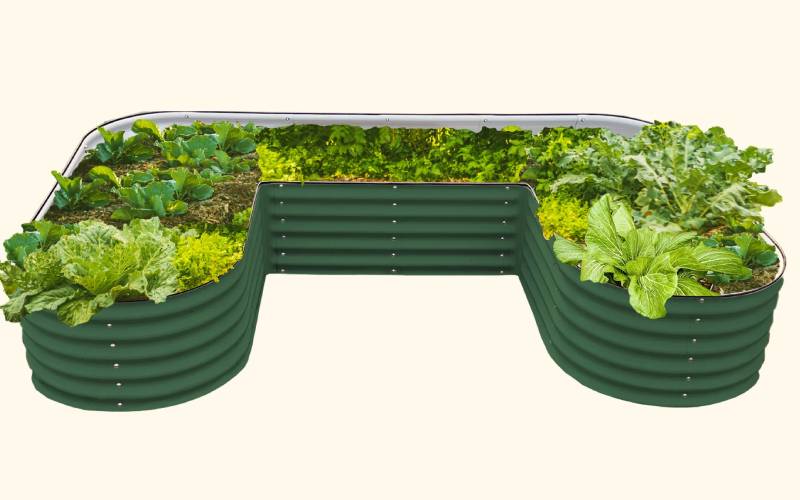
Why Should You Consider Using A Raised Garden Bed Kit?
The use of a raised garden bed kit offers a plethora of compelling reasons to consider this gardening approach. Firstly, these kits provide complete and hassle-free solutions, eliminating the need for extensive DIY construction. They can be set up quickly and easily, making them ideal for those with limited time or carpentry skills. Raised garden bed kits also offer enhanced control over your gardening environment. You can customize the soil mix to suit the specific needs of your plants, ensuring optimal growth. The elevated design promotes better drainage, preventing waterlogged roots, and allowing for earlier planting in the spring. Additionally, raised garden beds can be positioned virtually anywhere, making them ideal for gardens, patios, balconies, or even rooftops. Their contained structure also helps with pest management and reduces the risk of soil compaction. With raised garden bed kits, you can transform your outdoor space into a thriving garden with ease.
How To Choose The Right Type Of Raised Garden Bed Kit For Your Needs?
Selecting the right type of raised garden bed kit is crucial to ensure that it meets your gardening goals and fits seamlessly into your space. Begin by considering the material of the kit, such as wood, metal, plastic, or composite. Each material has its unique benefits, from the rustic charm of wood to the durability of metal or plastic. Next, think about the size and shape of the kit, taking into account the available space and the types of plants you wish to cultivate.
Height is also a critical factor, with options ranging from waist-high beds for easy access to taller kits for greater soil depth. Assess the kit’s design features, such as the inclusion of built-in trellises, shelves, or irrigation systems, which can enhance your gardening experience. Finally, consider your budget and maintenance preferences when making your selection. By carefully evaluating these factors, you can choose the right raised garden bed kit to suit your needs and preferences.
Types Of Plants Perfect For A Raised Garden Bed Kit
- Herbs: Herbs like basil, thyme, sage, and rosemary are perfect for a raised garden bed because they don’t require a lot of space to grow and can be easily harvested.
- Salad Greens: Lettuce, arugula, spinach, and other leafy greens are great options for raised garden beds as they have shallow roots and can be grown close together.
- Root Vegetables: Carrots, radishes, and beets are ideal for raised beds because the loose soil allows the roots to grow deeper and straighter, resulting in larger and more uniform vegetables.
- Strawberries: These plants are perfect for raised garden beds as they don’t take up a lot of space and can be grown in hanging baskets or along the edges of the bed.
- Tomatoes: Commonly grown in raised beds, tomatoes need support but can thrive in the well-drained soil of a raised garden bed.
- Peppers: Like tomatoes, peppers also need support but can do well in raised beds, especially if the bed is placed in a sunny spot.
- Cucumbers: These vining plants are perfect for raised beds, as they can be trained to grow up a trellis or cage, saving space and keeping the fruits off the ground.
- Peas: Another vining plant, peas can thrive in a raised garden bed and can be easily trained to grow up in a trellis or cage.
- Zucchini and Other Summer Squash: These large plants may seem like they need a lot of space, but they can actually do well in raised beds, as the soil can be deepened to accommodate their roots.
- Flowers: Raised garden beds are not just limited to edible plants; they can also be used to grow a variety of flowers, such as marigolds, petunias, and pansies, adding color and beauty to your garden.
How To Utilize A Raised Garden Bed Kit In Small Areas?
One of the most significant advantages of raised garden bed kits is their ability to maximize gardening space, even in small areas. For compact spaces like balconies, patios, or tiny yards, raised beds provide an efficient way to grow plants vertically. Utilize vertical gardening techniques by adding trellises or stakes for climbing plants like cucumbers, peas, or beans. Additionally, consider interplanting, which involves planting quick-maturing crops like lettuce or radishes between slower-growing plants to make the most of the available space. Raised garden beds can also be strategically placed in corners or along fences to optimize space. By creatively utilizing the vertical and horizontal dimensions of your raised garden bed kit, you can transform even the smallest area into a lush and productive garden.
Conclusion
Elevating your gardening experience has never been easier than with a raised garden bed kit. In this comprehensive guide, we’ve explored the world of these kits, from their definition and benefits to tips on selecting, setting up, and maintaining them. We’ve delved into the types of plants that thrive in raised beds and strategies for maximizing space, even in small areas. Finally, we’ve discussed the age-old debate of DIY versus pre-made kits, helping you make an informed choice. With a raised garden bed kit, you have the power to transform your outdoor space into a flourishing garden that reflects your unique gardening aspirations. So, whether you’re a seasoned gardener or a budding enthusiast, consider the versatility and convenience of a raised garden bed kit, and take your garden to new heights.

Donald Mabry was born in New Jersey, Studied at Drew University. Currently working as Author at YoungMontana, Donald Mabry helps readers learn the Bussiness, Construction, Health, Law hone their skills, and find their unique voice so they can stand out from the crowd.