

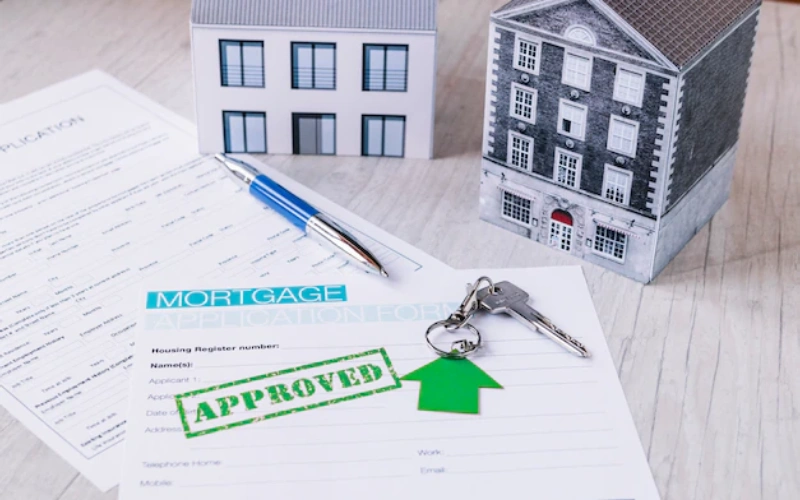
Determining the value of a property is a crucial step in various situations such as buying or selling a home, refinancing a mortgage, or getting a home equity loan. The process of determining a property’s value is known as an appraisal for home, and it involves an unbiased assessment of the property by a professional appraiser. Appraisals are important because they provide an accurate and unbiased estimate of a property’s worth, which buyers, sellers, and lenders can use to make informed decisions. In this article, we will discuss the essential steps to determine your property’s value through an appraisal for home.
Understanding The Process: How Appraisal For Home Work?
An Appraisal For Home is a standardized process that follows specific guidelines to determine the value of a property. The first step in this process is to hire a licensed and experienced appraiser who will visit your property to conduct a thorough inspection. The appraiser will look at various factors such as the size, location, condition, and features of the property to determine its value. They will also consider recent sales of similar properties in the area, known as comparables, to assess the current market conditions. After the inspection, the appraiser will compile all the information and create a detailed appraisal report that will justify the final value of the property.

Assessing The Essentials: Factors That Affect Your Home’s Value
Several factors can influence the value of your home. The most crucial factor is the location of your property. The neighborhood’s desirability, proximity to good schools, public transportation, and amenities can significantly impact your home’s value. The size of your property and the number of bedrooms and bathrooms also play a significant role in determining its value. The overall condition of your home, including its age, maintenance, and any recent renovations, is also a crucial factor considered during an appraisal. Other factors that can affect your home’s value include the current real estate market conditions, zoning regulations, and any unique features or upgrades in your property.
Beyond The Square Footage: Uncovering The True Value Of Your Property
While the size and location of your property are essential, an accurate appraisal for home goes beyond these factors. Factors such as the layout, functionality, and energy efficiency of your home can significantly impact its value. For example, a well-designed, open floor plan can increase your property’s value, while a poorly designed layout can decrease it. Similarly, energy-efficient features such as solar panels, energy-efficient windows, and proper insulation can add value to your home. These factors are crucial to consider during an appraisal as they can significantly impact the final value of your property.
The Importance Of Market Conditions In An Appraisal For Home
The current real estate market conditions play a crucial role in determining a property’s value. The appraiser will consider both the local and national real estate market trends to assess the demand and supply of housing in your area. If the market is strong, with high demand and low inventory, it can drive up the value of your property. On the other hand, a weak market with low demand and high inventory can decrease your home’s value. Therefore, it is essential to have a proper understanding of the current market conditions to get an accurate appraisal for home.
Preparing For Success: What You Need To Do Before A Home Appraisal?
Several steps can be taken to prepare for a home appraisal and increase the chances of getting a higher value for your property. First and foremost, declutter and deep clean your home to make it look presentable. The appraiser will take pictures of your property, and a cluttered and dirty house can give a negative impression, ultimately affecting its value. Second, make any necessary repairs or renovations before the appraisal. A well-maintained property will likely receive a higher appraisal value. Lastly, provide the appraiser with any relevant information about your home, such as any updates or features, to ensure they are considered in the final appraisal report.
Navigating The Appraisal Report: What To Look For And How To Interpret It?
After the appraisal, you will receive an appraisal report that will justify the appraiser’s final value of your property. The report will include a description of the property and its features, comparable properties used in the assessment, and a detailed analysis of the local real estate market. It will also mention any factors, such as needed repairs or lack of updates, that may have negatively impacted the value. As a homeowner, it is essential to carefully review the appraisal report and ask the appraiser for clarification if needed. Understanding the report can help you make informed decisions about your property.
Maximizing Your Home Value: Advice For Increasing Appraisal Figures
If you are not satisfied with the appraisal value of your property, there are certain steps you can take to increase its worth. You can provide the appraiser with additional information about your property, such as any home improvements or upgrades, to ensure they are considered in the final appraisal report. You can also appeal the appraisal if you believe there are any errors or inaccuracies. Additionally, research the local market and provide the appraiser with information about recent sales of comparable properties in your area. This can help justify a higher value for your home.
Conclusion
In conclusion, an appraisal for home is a critical step in determining the value of your property. It involves a detailed assessment of various factors such as location, size, condition, and market conditions. By understanding the appraisal process, assessing the essential factors that affect your home’s value, and preparing for the appraisal, you can increase the chances of getting an accurate and favorable appraisal value for your property. By following these essential steps, you can ensure that your property is valued correctly and make informed decisions when buying, selling or refinancing a home.

Donald Mabry was born in New Jersey, Studied at Drew University. Currently working as Author at YoungMontana, Donald Mabry helps readers learn the Bussiness, Construction, Health, Law hone their skills, and find their unique voice so they can stand out from the crowd.