


Pneumatic motors are integral to numerous industrial applications, offering robust mechanical power through compressed air. Understanding their operation and maintenance is crucial to ensuring longevity and optimal performance. These motors convert the potential energy of compressed air into mechanical motion, making them versatile and suitable for various tasks from assembly lines to heavy machinery. Proper maintenance is essential not only for extending their lifespan but also for maximizing efficiency and reliability.
Understanding The Basics Of Pneumatic Motors
Pneumatic motors operate on the principle of converting compressed air into mechanical energy. They are categorized into different types such as vane motors, piston motors, and gear motors, each with specific advantages depending on the application. Vane motors, for instance, utilize rotating vanes to generate torque, while piston motors rely on reciprocating pistons. Understanding these operational differences helps in selecting the right motor for the intended task, ensuring optimal performance and efficiency.
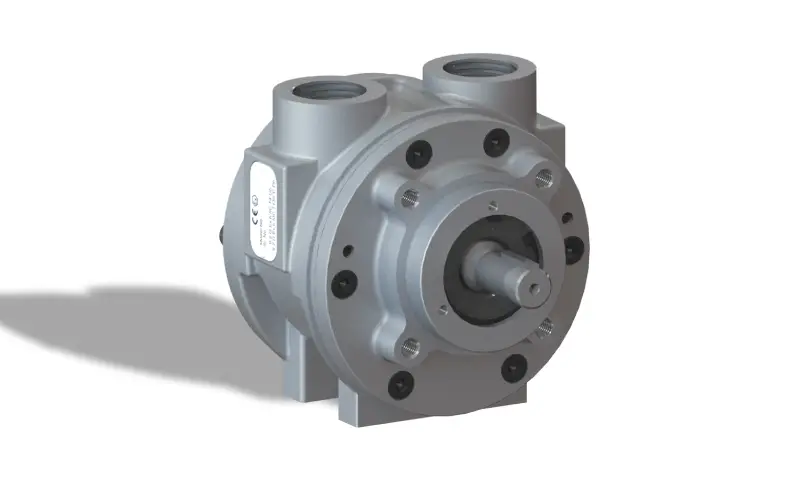
Key Components For Efficient Operation Of Pneumatic Motors
Efficient operation of pneumatic motors hinges on key components such as valves, seals, and bearings. Valves control the flow of compressed air into the motor, regulating speed and torque output. Seals prevent air leakage, maintaining pressure and efficiency. Bearings reduce friction, ensuring smooth rotation and minimizing wear. Regular inspection and replacement of these components are vital to prevent breakdowns and optimize performance, thereby reducing downtime and maintenance costs.
Routine Maintenance Practices For Pneumatic Motors
Routine maintenance is critical for prolonging the life of pneumatic motors. This includes regular inspections for leaks, wear on seals and bearings, and proper lubrication of moving parts. Cleaning internal components and ensuring adequate air filtration also contribute to longevity and performance. Scheduled maintenance schedules based on manufacturer guidelines help in identifying and addressing issues before they escalate, maintaining peak operational efficiency.
Common Issues And Troubleshooting Tips For Pneumatic Motors
Common issues with pneumatic motors include air leaks, reduced power output, and overheating. Air leaks can result from worn seals or loose fittings, impacting efficiency and performance. Reduced power output may indicate issues with valves or piston seals, requiring inspection and potential replacement. Overheating can be caused by inadequate lubrication or restricted airflow, necessitating adjustments in maintenance practices or operating conditions. Troubleshooting these issues promptly can prevent further damage and downtime.Maintenance for pneumatic motors is crucial for ensuring longevity and optimal performance in various industrial and mechanical applications. Pneumatic motors are widely used in industries ranging from manufacturing to automotive, where they power tools, machinery, and vehicles using compressed air. Proper maintenance not only extends the lifespan of these motors but also enhances their efficiency and reliability.
Importance Of Lubrication In Pneumatic Motors
Lubrication is essential for reducing friction between moving parts within pneumatic motors, minimizing wear and extending component life. Proper lubricant selection based on motor type and operating conditions is crucial. Over-lubrication can attract dust and debris, leading to clogging and increased wear, while under-lubrication can cause frictional damage and overheating. Regular lubrication intervals and using recommended lubricants help maintain optimal performance and prevent premature failure.The cornerstone of pneumatic motor maintenance is regular inspection and cleaning. Over time, dirt, dust, and debris can accumulate within the motor, affecting its performance. Scheduled inspections allow technicians to identify and address these issues before they escalate. Cleaning involves disassembling the motor, removing any contaminants, and inspecting components for wear or damage.
Environmental Factors Impacting Pneumatic Motors
Environmental factors such as temperature extremes, humidity, and airborne contaminants can significantly impact pneumatic motor performance and longevity. High temperatures can accelerate wear on seals and bearings, while humidity can cause corrosion of internal components. Airborne contaminants like dust and chemicals can clog air filters and degrade lubricants, affecting overall efficiency and reliability. Mitigating these factors through proper environmental controls and maintenance practices ensures consistent motor performance.
Advanced Techniques For Overhauling Pneumatic Motors
Overhauling pneumatic motors involves comprehensive disassembly, inspection, and replacement of worn or damaged components. Advanced techniques include precision alignment of internal parts, using specialized tools for reassembly, and conducting performance tests post-overhaul. Overhauling at regular intervals or as per manufacturer recommendations rejuvenates motor performance, restores efficiency, and extends service life. Training personnel in these advanced techniques ensures meticulous overhaul procedures, minimizing downtime and optimizing productivity.Proper cleaning techniques using appropriate tools and cleaning agents ensure that the motor operates at peak efficiency.
Conclusion
In conclusion, maintaining pneumatic motors for longevity and performance requires a systematic approach encompassing understanding operational basics, regular maintenance practices, and troubleshooting techniques. Key components like valves, seals, and bearings play pivotal roles in ensuring efficient operation, while environmental factors and lubrication profoundly influence motor reliability. Embracing advanced overhaul techniques when necessary enhances motor lifespan and operational efficiency. By adhering to these principles, industries can maximize the return on investment in pneumatic technology, meeting production demands effectively and sustainably.Effective lubrication is essential for reducing friction and wear within pneumatic motors. Lubricants prevent metal-to-metal contact, which can lead to overheating and premature failure. Choosing the right lubricant depends on factors such as motor speed, operating conditions, and manufacturer recommendations.

Lindsey Hendrix resides in the vibrant city of Austin, Texas, USA. With a keen interest in business and technology, Lindsey emerges as a proficient writer, blending insights and innovation seamlessly. Her knack for articulating complex ideas into compelling narratives resonates through her work. Through her words, she navigates the realms of entrepreneurship, technology, and beyond, shaping narratives that inspire and inform.