

What are industrial flare systems and why do they matter?
Handling waste gases safely is one of the biggest responsibilities in any refinery, petrochemical plant, gas processing unit, or fertiliser facility. When pressure spikes or emergencies happen, you need a system that can quickly burn off excess gases, protect equipment, and keep people safe. That is exactly what industrial flare systems are designed to do.
These systems convert waste or relief gases into less harmful compounds by controlled combustion at high temperature. When they are designed and operated well, they reduce emissions, control noise and smoke, and help you stay compliant with strict global standards. For Indian investors and decision-makers, understanding how they work can make project choices faster, safer, and more profitable.
This guide walks through the basics of industrial flares, key design points, regulations, maintenance, and how a strong system can deliver long-term savings for your plant.
What exactly is an industrial flare system?
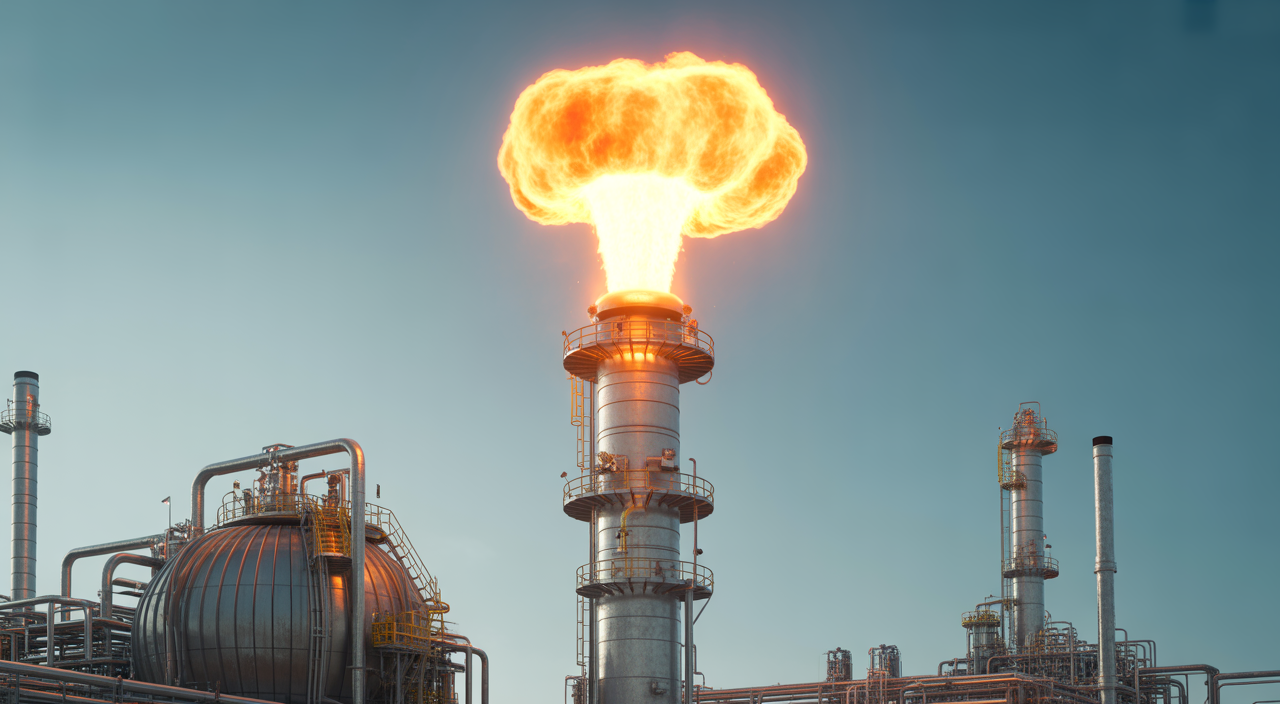
In simple terms, an industrial flare system is a waste gas combustion system. It gathers gases from process units, pressure relief valves, and safety vents, then burns them at the flare tip to convert them mainly into carbon dioxide and water vapour. This prevents direct release of raw hydrocarbons or toxic vapours into the air.
A typical flare arrangement includes:
- Flare stack: The tall vertical pipe that elevates the flame away from workers and facilities.
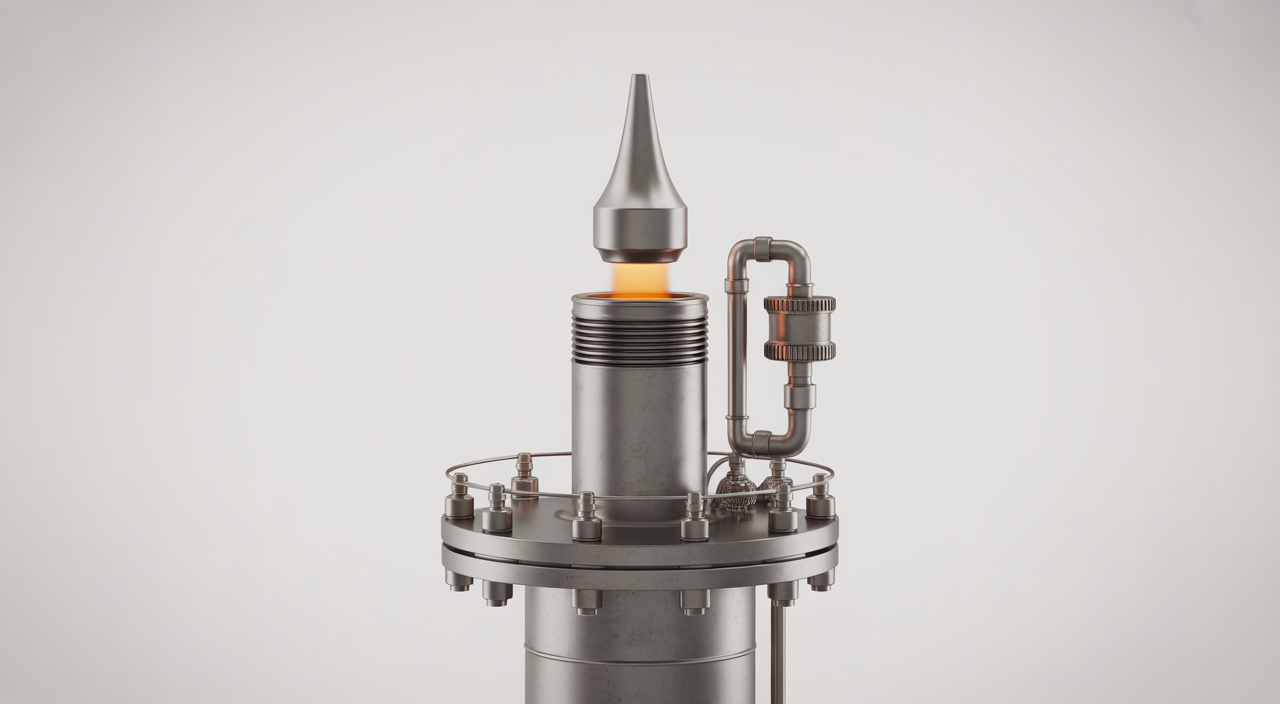
- Flare tip: The nozzle where gas exits and burns. Its design controls flame stability, smoke, and noise.
- Assist system: Steam, air, or gas assist used to mix air with gas and support smokeless, efficient burning.
- Ignition and pilot system: A small, always-burning flame that lights any gas sent to the flare.
- Knockout drum: A vessel that removes liquids from the gas stream to avoid liquid carryover and flame instability.
- Flare header and piping: The network that collects relief gases from across the plant.
Plants may use different types of flares such as steam-assisted, air-assisted, or specially designed smokeless flare tips. The right selection depends on gas composition, flow rate, and environmental rules in your region.
Key design considerations Indian investors should know
Good flare stack design balances safety, performance, and cost. During a new build or expansion, focusing on a few core aspects can prevent expensive redesign later.
1. Gas composition and capacity
The starting point is the gas itself. Engineers look at:
- Heat content (BTU or kcal), to define how much energy is released.
- Hydrogen, methane, heavier hydrocarbons, and inert gases like nitrogen.
- Presence of sulphur or other corrosive components.
From this, the team calculates the maximum flow rate the flare may see during an emergency blowdown. This sizing determines the flare tip diameter, stack size, and the required capacity of the knockout drum and blowdown systems.
2. Stack height and radiation control
Flare stack height is chosen so that heat radiation at ground level is within safe limits for people, equipment, and nearby communities. Engineers use radiation calculations and sometimes simple CFD (computational fluid dynamics) models to predict:
- Flame length and tilt in different wind conditions.
- Heat impact on nearby structures, roads, and control buildings.
- Safe distances for normal operation and emergencies.
For sites in dense industrial corridors or near residential areas, careful radiation analysis is essential to secure environmental approvals and avoid future restrictions.
3. Choosing the right flare tip and assist system
The flare tip strongly influences smoke, noise, and fuel efficiency. Common choices include:
- Steam-assisted flare: Uses steam to improve mixing and reduce black smoke. Common in refineries with steam networks.
- Air-assisted flare: Uses blowers to supply air, useful where steam is limited or costly.
- High-efficiency smokeless tips: Special geometry that promotes mixing and smokeless operation with less assist medium.
Indian plants often compare steam vs air assist on life-cycle cost. Steam may be plentiful at integrated complexes, while air-assist can be more economical for standalone gas processing or petrochemical units.
4. Noise and vibration
Flaring can produce high noise levels, especially during major relief events. Design measures such as multi-jet tips, proper stack height, and flow distribution help control noise. Good foundation design and structural supports also control vibration, which protects both workers and nearby sensitive equipment.
Compliance and regulatory expectations
Across the world, environmental rules around flare stack emissions are becoming tighter. Authorities focus on smokeless operation, flare gas recovery where possible, and accurate reporting of gas volumes and combustion efficiency.
While regulations differ by country, best practice includes:
- Maintaining high combustion efficiency, usually 98% or better.
- Limiting visible smoke and unlit flaring events.
- Monitoring flow, composition, and heating value to estimate emissions.
- Keeping detailed flaring logs and maintenance records.
For Indian investors, aligning with global flaring system design standards from early design stage makes it easier to attract international partners, lenders, and technology collaborators.
Operation and maintenance best practices
Even the best-designed flare can underperform if operation and upkeep are weak. A few disciplined practices can dramatically improve reliability and compliance.
- Routine inspections: Regular visual checks (from a safe distance) for flame shape, colour, and smoke. Drone inspections are becoming popular for safer close-up views.
- Pilot and ignition checks: Continuous monitoring of pilots with reliable flame detectors and periodic functional tests of ignition systems.
- Knockout drum maintenance: Level control, sludge removal, and inspection to avoid liquid carryover that can cause unstable flames.
- Assist system tuning: Optimising steam or air rates to keep smoke low without wasting energy.
Planned shutdowns are a good time for deeper checks on flare tips, support structures, and access ladders. This proactive approach prevents unplanned downtime later.
How strong flare design supports cost savings
While flares are often seen as a safety cost, a well-engineered system can improve project economics in several ways.
- Lower operating expenses: Efficient smokeless flare tips reduce steam or air consumption. This saves fuel, water, and power every day.
- Less unplanned downtime: Reliable ignition and pilot systems reduce process interruptions and emergency maintenance.
- Better environmental performance: Reduced smoke and improved combustion mean fewer complaints, smoother audits, and lower risk of penalties.
- Future-ready design: Space and connections for flare gas recovery make it easier to add recovery projects later and monetise gas that would otherwise be burnt.
For broader thinking on how engineering choices impact business performance, you may also like this guide on using consulting services to boost business efficiency.
Tips for Indian investors evaluating flare packages
When you review proposals for industrial flare systems, consider:
- Does the vendor provide a full package, including knockout drums, control systems, and support?
- Are radiation and noise studies included, with clear drawings and limits?
- Is there flexibility to integrate future flare gas recovery?
- What are the estimated annual costs of steam, air, and maintenance?
- How quickly can local spares and service teams be mobilised?
Comparing suppliers on both technical and life-cycle cost grounds gives a far clearer picture than looking at purchase price alone. This approach is similar to choosing long-term infrastructure such as high-value industrial equipment for energy projects, where reliability and service are as important as initial cost.
FAQs on industrial flare systems
Q1. How often should a flare system be inspected?
Basic visual checks should be done daily from a safe viewing point to observe flame shape, colour, and smoke. Detailed inspections of the flare tip, stack, and access structures are usually planned during major shutdowns, often every 3 to 5 years, depending on service severity and plant standards.
Q2. What is the difference between a flare system and a thermal oxidiser?
Both burn waste gases, but a flare is typically an open flame at the top of a stack, designed for variable and emergency flows. A thermal oxidiser is an enclosed system used mainly for steady or semi-steady process vents, with more precise temperature and residence time control. Choice depends on gas flow pattern, composition, and regulatory needs.
Q3. Can flare gas always be recovered instead of burnt?
Not always. Flare gas recovery works best when there is a predictable base load of recoverable gas and space for compressors and treatment equipment. For sudden emergency releases or gas with contaminants, safe flaring still plays a crucial role. Many modern plants combine flare gas recovery for normal operation with a reliable flare for peak and emergency conditions.
Q4. Why do some flares produce black smoke?
Black smoke usually indicates incomplete combustion and soot formation, often due to heavy hydrocarbons, poor mixing of air and gas, or insufficient assist steam or air. Proper flare tip design, adequate assist media, and correct operating settings can greatly reduce or eliminate visible smoke.

Donald Mabry was born in New Jersey, Studied at Drew University. Currently working as Author at YoungMontana, Donald Mabry helps readers learn the Bussiness, Construction, Health, Law hone their skills, and find their unique voice so they can stand out from the crowd.