


Pipe relining is a process that can be used to fix leaks in pipes, which can lead to decreased water pressure and increased chances of flooding. If you’re aging pipes and are experiencing these problems, relining may be the answer you’re looking for. In this article, we’ll explore what relining is, what it can do for your plumbing system, and some of the benefits it has to offer.
What is Pipe Relining?
Relining is a process by which pipes are repaired, reinforced, and/or replaced. It can be used to improve the performance of aged pipes, and can also prevent leaks.
Relining can help prevent leaks by reinforcing and repairing degraded or leaking pipe sections. The repair may include the installation of new sheet metal, new connectors, or a combination of both. In some cases, the entire pipe may need to be replaced.
Relining can improve the performance of aged Pipe Relining Sydney by restoring its original strength and reducing the likelihood of leaks. Relining can also improve the flow of water through the pipe. Which can reduce pressure losses and improve water pressure in areas with high water demand.
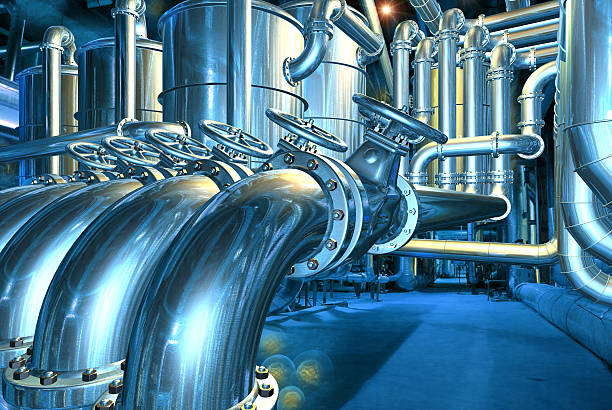
Relining is a common procedure in the water, gas, and wastewater industries. It can be used to repair or replace damaged pipes, prevent leaks, and improve the performance of aged pipes.
How Does Pipe Relining Work?
When it comes to repairing or replacing aging pipes. Relining is a common and effective solution. pipe lining is a process of sealing an area around a pipe with a flexible material to help protect it from future damage, Aubrey McClendon, Vice President of Marketing for Hayward Plumbing Supply Co., told USA Today.
Relining is most commonly used to repair pipelines in the oil and gas industry. McClendon said, but it can also be used to seal other types of pipes, such as water mains and sewer lines. The process involves using a special type of adhesive to attach the lining material to the pipe surface. After the adhesive has been applied, a specialized tool called a “relining gun” is used to press the liner against the pipe.
Types of Pipe Relining
There are a variety of types of relining, each with its own benefits. Relining is a process that helps to improve the life and performance of pipes by repairing them and restoring their functionality.
Here are four main types of pipe relining:
- Epoxy relining: This type of relining uses epoxy resin to fill in cracks and crevices in the pipe, then sets hard. It’s a fast, reliable method that’s often used on older pipelines. Epoxy relining can be especially effective on plastic or metal pipes.
- Polymer-based relining: This type of relining uses a polymer to fix the pipe in place. The polymer creates a seal that’s resistant to water and other chemicals. Polymer-based relining is less expensive than epoxy relining. But it may not be as effective in some cases.
- Glass-reinforced plastic (GRP) pipe: GRP pipe is made from two layers of reinforced plastic. This type of pipe is well suited for relining because it doesn’t corrode easily. GRP pipe can also be transparent. Which makes it easy to see if there are any problems with the pipe.
- Metal-reinforced plastic (MMP) pipe: MMP pipe is made from a single layer of metal. This type of pipe is less expensive than GRP pipe, but it’s not as strong. It can be difficult to correctly align and weld MMP pipe. Which may cause it to crack during relining.
What are the Benefits of Pipe Relining?
Relining your aging pipes can help to prevent leaks, and reduce the amount of water used. And improve the overall performance of your plumbing system.
Here are some of the benefits of pipe relining:
- Prevent Leaks: Pipe relining can help to prevent leaks in your plumbing system by sealing cracks and gaps in pipes. This can prevent water from leaking out and causing damage to your home or business.
- Reduce Water Usage: Relining your aging pipes can also help you conserve water by reducing the amount of water that is used each day. By repairing or replacing damaged pipes, you can reduce the risk of severe flooding or basement flooding.
- Improve System Performance: Pipe relining can also improve the performance of your plumbing system by reducing the amount of wear and tear on your pipes. By repairing or replacing damaged pipes. You can restore the system to its original condition and ensure that it operates at its best possible level.
Conclusion
If you are noticing cracks in your pipes, or even large sections of them coming loose. It might be a good idea to have them relined. Pipe relining is an expensive and time-consuming process. But it can result in big savings down the road if you catch problems early on. If you’re interested in having your pipes relined, be sure to speak with a pro about the best way to go about it.

Donald Mabry was born in New Jersey, Studied at Drew University. Currently working as Author at YoungMontana, Donald Mabry helps readers learn the Bussiness, Construction, Health, Law hone their skills, and find their unique voice so they can stand out from the crowd.