Marine transport routes are critical for global trade, carrying large quantities of goods between nations and continents. These routes, also known as shipping channels, are designed to accommodate ships of varying sizes, ensuring safe and efficient transportation of goods. However, over time, natural processes such as sediment accumulation, tidal movements, and storm surges can cause the channels to become obstructed or shallow. This is where sand dredging plays a vital role in maintaining and improving these marine transport routes.
In this article, we will explore how sand dredging helps maintain marine transport routes, the process involved, the equipment used, and the long-term benefits it offers for global shipping and trade.
Understanding Sand Dredging
Sand dredge is the process of removing sand, silt, and other sediments from the bottom of bodies of water such as rivers, lakes, and oceans. The primary purpose of sand dredging is to deepen and widen channels, harbors, and marine transport routes to ensure the safe passage of ships, especially large cargo vessels. Over time, sedimentation can cause these routes to become too shallow, posing a hazard to vessels that rely on the channels for navigation.
In marine transport, this process is essential to maintain navigable waterways, prevent accidents, and improve overall shipping efficiency. Sand dredging not only supports the transport of goods but also helps prevent damage to vessels and ensures the timely movement of cargo. By regularly dredging sediment buildup, authorities can maintain the necessary depth and width for ships to travel safely.
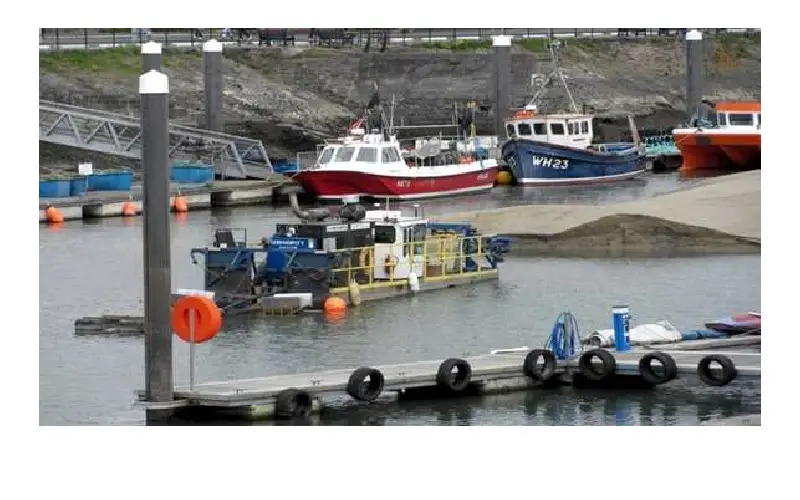
Why Sand Dredging Is Essential For Marine Transport Routes?
Shipping lanes and marine transport routes are often affected by the natural accumulation of sediments due to water flow, tides, and currents. This can result in several challenges for vessels navigating these waters, such as:
- Shallow Channels: Sediment accumulation can reduce the depth of marine routes, making them too shallow for large ships. This poses a risk to vessel safety and hinders access to ports.
- Obstructions: Sandbanks, rocks, and other debris can create obstructions in marine transport routes, causing delays or accidents. Dredging helps clear these obstacles and ensures a smooth path for shipping vessels.
- Increased Shipping Costs: When shipping lanes are blocked or narrowed, ships may need to take alternative routes, resulting in longer travel times, higher fuel consumption, and increased shipping costs. Dredging helps to keep routes open and efficient, reducing operational expenses.
Regular sand dredging ensures that channels are wide and deep enough to accommodate ships without any risk of grounding or damage. It allows vessels to travel at their full capacity, reducing delays and improving the overall efficiency of the global supply chain.
The Dredging Process And Equipment Used
The sand dredging process is a highly specialized task that involves the use of various types of equipment. Each type of dredging equipment is designed to handle different kinds of sediment and water conditions. Some of the key equipment used in sand dredging includes:
- Cutter Suction Dredger (CSD): A cutter suction dredger is one of the most common tools used in dredging operations. It works by using a rotating cutter to loosen the sediment from the bottom of the waterway. The dredger then sucks up the loosened material using a suction pipe, transporting it to the shore or a disposal area. CSDs are particularly effective in dredging sand and other soft materials.
- Bucket Dredger: A bucket dredger is equipped with a large bucket that scoops up sediment from the sea floor. The sediment is then transported to the surface and discharged into a designated area. Bucket dredgers are useful in shallow water and areas where sediment is relatively soft.
- Trailer Suction Hopper Dredger (TSHD): This dredger uses a large suction pipe to collect sediment from the seabed. The dredged material is then transported to the surface and stored in a hopper on the dredger itself. TSHDs are capable of dredging large volumes of sand and sediment and are often used in deep-water dredging operations.
- Water Injection Dredger (WID): A water injection dredger works by using high-pressure water jets to liquefy the sediment, making it easier to move. The sediment is then carried away by the current, allowing for continuous dredging operations without the need for physical removal of material. This type of dredging is ideal for fine sand and silt.
Once the sand is dredged, it can either be disposed of in offshore dumping sites or used for reclamation projects, beach nourishment, or other construction purposes. The choice of disposal method depends on environmental regulations and the specific needs of the dredging project.
Key Benefits Of Sand Dredging For Marine Transport
A. Maintaining Safe Navigation
The primary benefit of sand dredging for marine transport routes is the ability to maintain safe navigation for vessels. Without regular dredging, sediment buildup can cause shallow areas, sandbanks, or obstructions to form, which can pose a significant risk to ships. This can lead to accidents, delays, and increased costs for shipping companies.
By dredging the channels and ensuring a consistent depth, sand dredging makes it possible for ships to navigate safely, even in areas that may otherwise be unsuitable for large vessels. This is particularly important in areas with large tidal fluctuations or fast-moving currents, where sediment accumulation can be rapid.
B. Supporting Global Trade
Marine transport plays an essential role in facilitating global trade. Shipping vessels carry about 80% of the world's trade by volume. Maintaining clear, accessible marine transport routes ensures the uninterrupted flow of goods between countries and continents. Dredging helps prevent bottlenecks at critical ports and ensures that goods are delivered on time.
In particular, dredging helps keep busy trade routes such as the Panama Canal, the Suez Canal, and the Strait of Malacca navigable. Without proper dredging, these vital routes would be at risk of becoming too shallow or obstructed, leading to significant disruptions in international trade.
C. Environmental Protection
While dredging is often associated with construction and development projects, it also plays a role in protecting the environment. By removing excess sand and sediment from marine transport routes, dredging helps prevent the buildup of materials that could disrupt marine ecosystems. Over time, sediment accumulation can smother coral reefs, seagrass beds, and other important marine habitats.
Furthermore, dredging can help maintain the natural flow of water, preventing flooding and erosion in coastal areas. Properly managed dredging operations also help reduce the risk of silt and sediment runoff into the open ocean, which could harm marine life.
D. Improved Economic Efficiency
Sand dredging contributes to the economic efficiency of marine transport by reducing the time and costs associated with shipping. By ensuring that channels remain deep and wide enough for ships to pass through without delay, dredging helps keep shipping operations running smoothly. This leads to cost savings for shipping companies, faster transportation times, and lower fuel consumption.
Furthermore, maintaining navigable waterways reduces the likelihood of accidents, which could lead to costly repairs, legal disputes, or delays in shipments. Dredging helps avoid these issues by ensuring that vessels can safely and efficiently navigate their designated routes.
Conclusion
Sand dredging is an essential process for maintaining marine transport routes, supporting global trade, ensuring safe navigation, and protecting the environment. By removing sediment buildup and ensuring that channels are deep and wide enough for ships, dredging allows for the efficient and safe transportation of goods worldwide.
Whether it’s through the use of cutter suction dredgers, bucket dredgers, or trailer suction hopper dredgers, sand dredging plays a crucial role in keeping marine transport routes open and functional. As global trade continues to expand, the need for proper maintenance of shipping channels will only grow, making sand dredging an integral part of the maritime industry.
Regular dredging ensures that maritime trade routes remain safe, accessible, and efficient, contributing to the continued success of the global economy.