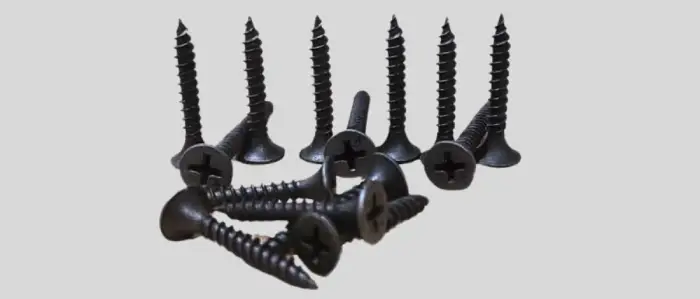
Finding the right screw supplier is an important step for industries, home builders, contractors, and manufacturing units that depend on consistent quality and timely delivery. Screws play a major role in construction, metalwork, interiors, furniture-making, and many other applications, which makes it essential to choose a supplier who maintains strong standards. This guide explains how to evaluate suppliers, screw types, materials, benefits, and key factors that support long-term use. The goal is to offer simple, clear, and helpful information for anyone researching this topic.
Understanding the Role of a Screw Supplier in India
A trusted screw supplier in India provides various fastening solutions used across industries such as construction, fabrication, woodworking, automotive, and electrical projects. A good supplier offers a wide range of sizes, materials, and head types to match different needs. They focus on durability, precision, and performance so the fasteners work well in different environments, including indoor installations and outdoor projects.
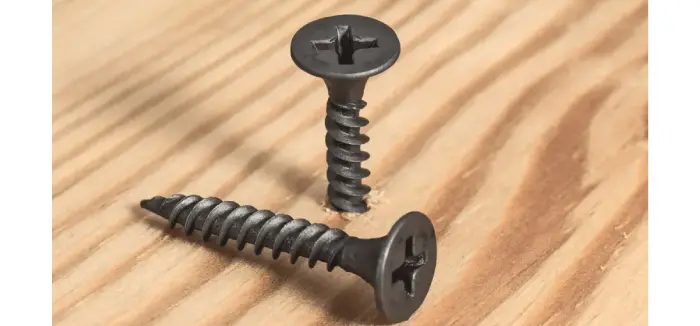
A large part of choosing the right supplier depends on understanding how screws differ based on application. For instance, metal screws, wood screws, drywall screws, and self-tapping screws all have unique uses. When a supplier understands these differences, they help buyers pick the right type without confusion. This reduces installation problems and improves long-term efficiency. When selecting a supplier, factors such as availability, stock consistency, packaging quality, and technical support also matter, especially for large-scale users.
Key Factors to Look for When Choosing a Screw Supplier
Choosing a supplier involves more than just checking prices. The right partner ensures consistent product quality and reliable service. Buyers often look for suppliers who maintain standard sizing and follow testing guides to ensure strength and durability. These factors help users select screws that match project requirements without risking structural issues or failures.
Some important points to consider include material type, corrosion resistance, threading accuracy, and long-term performance. Suppliers who offer clear specifications make it easier for customers to choose correctly.
Why Material Quality Matters?
Material quality affects how screws perform under pressure, heat, moisture, and vibration. Steel, stainless steel, brass, and coated screws are among the most common options.
How Packaging and Storage Affect Screw Performance?
Screws stored in controlled conditions stay rust-free and safe for long-term use, ensuring better performance during installation.
Two key considerations when selecting a supplier include:
- Whether they maintain strict quality checks
- Whether they provide detailed specifications for each screw type
Types of Screws Commonly Offered by Suppliers
Screws come in many shapes, sizes, and designs. Each type is meant for a different purpose, and understanding these variations helps buyers choose the right fit. Whether it is for wood, metal, drywall, or general construction, suppliers generally carry a full range to support different sectors.
What Are the Most Common Screw Types?
Most suppliers offer categories such as wood screws, machine screws, drywall screws, self-drilling screws, and self-tapping screws.
Where Are Different Screws Typically Used?
Wood screws are ideal for carpentry projects, while metal screws work best for fabrication and industrial applications.
You may find screws designed for:
- Quick installation in partitions and panels
- Heavy-duty applications where strength matters
Why Quality Standards Are Important for Screws?
Quality standards ensure the screws meet durability and safety requirements. Screws that pass strength and load testing tend to perform better during installation and remain firm over time. A reliable supplier follows strict guidelines while sourcing or manufacturing fasteners so they can handle pressure, torque, and environmental stress.
How Do Standards Improve Project Outcomes?
When screws meet expected guidelines, installers experience fewer breakages or installation issues. This directly improves the efficiency of the entire project.
What Happens When Low-Quality Screws Are Used?
Poor-quality screws may rust, bend, or break easily, which leads to unnecessary repairs or replacements.
Two essential elements of quality control are:
- Thread uniformity
- Surface treatment to resist corrosion
How to Determine the Ideal Screw Size and Material for Your Project?
Choosing the right screw size and material can improve long-term performance. The size depends on the material thickness, project type, and load requirement. The material depends on whether the environment is dry, humid, coastal, or industrial.
What Size Should You Choose?
The size generally depends on the mounting surface. Larger screws offer more strength, while smaller ones suit lightweight applications.
Why Does Material Selection Matter?
Stainless steel is better for outdoor or moisture-prone areas, while other materials may be suitable for indoor use.
Factors that often influence the decision include:
- Location of the installation (indoor or outdoor)
- Required load-bearing capacity
Advantages of Working With a Reliable Screw Supplier
Reliable suppliers help users save time and prevent installation issues. They offer a steady supply of all required types, which helps businesses plan large projects without delays. This makes a noticeable difference for industries that need bulk quantities at regular intervals.
A dependable supplier also provides detailed product information so users can choose correctly. When the supply is consistent, it becomes easier to maintain workflow and reduce interruptions. Many suppliers also offer support regarding screw selection, usage tips, and installation guidance.
How Does Reliable Delivery Support Business Needs?
Timely delivery ensures projects stay on schedule and prevents downtime.
What Long-Term Benefits Come With Trusted Suppliers?
Long-term partnerships often lead to better understanding of requirements and smoother purchasing processes.
Understanding Screw Materials and Their Benefits
Screws come in several materials, each offering unique advantages. Knowing these differences helps buyers make better decisions. Stainless steel screws are known for rust resistance, while brass screws offer aesthetic value and are often used in decorative fittings. Carbon steel screws provide strong performance in heavy-duty applications.
Why Do Coated Screws Perform Better?
Coated screws have a protective layer that shields them from corrosion and moisture.
Which Material Works Best for Outdoor Use?
Materials that resist harsh weather perform well outdoors, especially in coastal or humid regions.
Suppliers typically offer:
- Screws with surface treatments
- Screws made for both light-duty and heavy-duty use
How Environmental Conditions Influence Screw Selection?
Environmental conditions impact how long screws last. For example, screws used in outdoor construction must resist rust, moisture, and temperature changes. Indoor screws may not need the same level of protection. Understanding environmental factors helps in selecting the right type.
Where Are Rust-Resistant Screws Needed Most?
These screws are needed in areas that experience high humidity, rainfall, or exposure to water.
What Happens If the Wrong Type Is Used?
Using screws not designed for the environment can result in early corrosion, weakness, or failure.
Key considerations include:
- Humidity levels in the installation area
- Exposure to chemicals or harsh weather
How to Compare Different Screw Suppliers Effectively?
Comparing suppliers helps buyers find the one that fits their requirements. Some users prefer suppliers offering large varieties, while others focus on quality or technical support. A simple comparison helps narrow down choices.
What Should You Check Before Choosing a Supplier?
Buyers should review the product range, delivery timelines, and material options.
How Do Service Levels Affect Supplier Choice?
Suppliers who respond promptly and offer technical guidance create a smoother experience.
Helpful comparison factors:
- Availability of multiple screw types
- Consistency in product quality
Common Applications Where Screws Are Essential
Screws are used in almost every industry due to their versatility. They provide strong fastening for materials like wood, metal, drywall, and composite boards. Their design allows them to hold materials tightly without loosening easily.
Where Are Screws Used Most Often?
Construction, woodworking, and maintenance projects commonly depend on screws.
Why Are Screws Preferred Over Other Fasteners?
They offer a stronger grip, easy installation, and reliable long-term performance.
Two frequent areas of use include:
- Interior and exterior installations
- Industrial machinery and equipment assembly
Latest Trends in Screw Manufacturing and Supply
With growing demand, screw suppliers are adopting improved production techniques. Better threading, corrosion-resistant coatings, and stronger materials have become more common. These improvements help screws perform better even under stress.
How Is Technology Changing Screw Manufacturing?
Precision manufacturing tools help create uniform screws with accurate threading.
What Are Some Improvements Seen in Modern Screws?
Coatings, material enhancement, and updated design features are becoming standard.
Most recent trends include:
- More focus on rust-resistant materials
- Improved screw designs for easier installation
Conclusion
Choosing the right screw supplier plays an important role in the success of any project. The right partner provides consistent quality, reliable delivery, and a wide selection of materials and sizes. By understanding factors such as screw types, materials, environmental conditions, and quality standards, buyers can make well-informed decisions. This guide offers easy, clear information to help users navigate their options and identify the most suitable supplier for long-term needs.