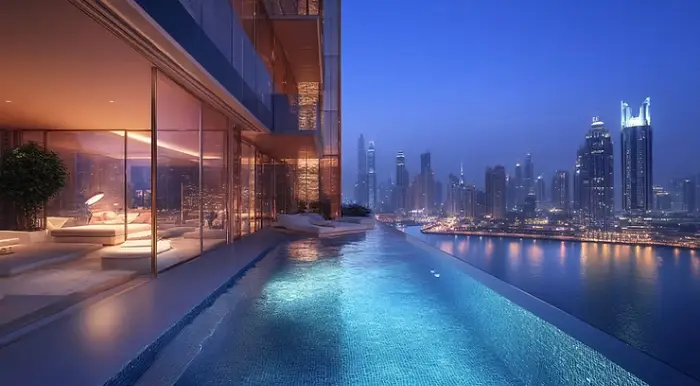
In today’s design, architecture, and creative industries, the ability to transform abstract ideas into visual concepts is invaluable. Whether you’re planning a new building, designing an interior space, or developing a product prototype, communicating your vision clearly is often the difference between success and failure. One of the most powerful tools available to designers, architects, and creators is 3D rendering services. With cutting-edge technology and expert know-how, these services allow clients to see their concepts in photorealistic detail before a single physical step is taken.
This article delves into the world of 3D rendering services, exploring how they work, their importance in modern design, and how they contribute to enhanced collaboration and communication between designers and their clients. By the end of this piece, you’ll understand why 3D rendering is an essential service for creating successful, visually compelling designs.
What Are 3D Rendering Services?
3D rendering is the process of creating a two-dimensional image from a three-dimensional model using specialized software. These models can represent anything from architectural designs to product prototypes. Unlike simple sketches or blueprints, 3D renderings present a lifelike, often photorealistic, visualization of how the end product will appear once built or manufactured.
By combining art with technology, 3D rendering allows designers to create detailed, accurate visual representations that show every angle, texture, and shadow. It’s a critical tool used across multiple industries, from architecture to video games, interior design, and industrial design. With the rapid advancement of rendering technology, the visual quality has reached impressive levels, enabling clients to experience designs as though they were already completed.

The Benefits of 3D Rendering for Designers and Clients
1. Enhanced Visualization for Better Decision-Making
For designers and clients alike, visualization is key to decision-making. Traditional methods like sketches or flat blueprints often leave gaps in understanding, leading to confusion or costly revisions. 3D rendering solves this problem by offering a full, three-dimensional view of the design, making it easier for clients to grasp complex ideas and make informed choices.
Through realistic renderings, clients can explore every detail of a design, experiment with different color schemes, and even see how the design will look in varying lighting conditions. This enhanced level of understanding ensures that designers and clients are on the same page, reducing the likelihood of miscommunication.
2. Time and Cost Efficiency
One of the main reasons 3D rendering services are so valuable is their ability to save time and money. Traditional design processes often involve multiple rounds of revisions and physical prototypes that can be costly and time-consuming. With 3D rendering, changes can be made digitally and in real-time, allowing for faster iterations without the need for physical prototypes.
Additionally, because clients can visualize the final product early in the process, they can request adjustments or suggest alternatives before construction or production begins. This leads to fewer mistakes, minimized delays, and more efficient use of resources.
3. Streamlined Client Collaboration and Feedback
The collaborative nature of 3D rendering services allows for an ongoing dialogue between designers and clients. Instead of relying on written or verbal descriptions, designers can show their clients exactly what they’re envisioning, making it easier to incorporate client feedback. This can significantly improve the overall design process, as clients can offer direct input on the visual elements of the design.
Furthermore, 3D rendering tools often allow clients to experience designs interactively, enabling them to virtually walk through spaces, adjust features, or even play with elements like textures and materials. This form of real-time collaboration reduces misunderstandings and results in a more satisfying final product.
Types of 3D Rendering and Their Applications
3D rendering services come in various forms, each designed to suit different needs and industries. Here are some of the most common types of 3D rendering and how they are applied:
1. Architectural 3D Rendering
In architecture, 3D rendering is used to create realistic images of buildings and interior spaces. Whether it’s for a new construction project or a renovation, architectural renderings help clients envision the design before it’s built. This is crucial for obtaining approvals, pitching ideas to stakeholders, and marketing properties to potential buyers.
Architectural renderings can showcase everything from exterior facades to intricate interior layouts, giving clients a comprehensive view of the design. These renderings can also help with understanding how a building will fit within its environment, such as how light will interact with surfaces throughout the day or how the design complements its surroundings.
2. Product Rendering
Product rendering services allow designers to visualize consumer products with photorealistic detail. This is particularly useful in industries like consumer electronics, furniture design, and product manufacturing. Designers can test different designs, colors, and materials without physically producing each prototype.
Product renderings are also valuable for marketing, as they can be used in promotional materials, e-commerce platforms, and advertisements. By presenting potential buyers with high-quality images of products, companies can attract attention and generate interest even before the product is available.
3. Interior Design Rendering
For interior designers, 3D rendering offers the ability to visualize how different elements like furniture, lighting, textures, and colors will come together in a space. Interior design renderings allow designers to explore different configurations and design choices before making final decisions.
These renderings are often shared with clients to help them make informed decisions about the design. Whether it’s a residential space, office, or commercial area, interior renderings help create a clear vision of what the end result will look like, saving both time and money in the process.
How 3D Rendering Services Support Client-Centric Design?
At the heart of every successful project is clear communication and mutual understanding. 3D rendering services directly contribute to this by bridging the gap between designer concepts and client expectations. For businesses that pride themselves on a client-centric approach, 3D rendering allows for active client involvement throughout the design process.
By offering clients a chance to see, adjust, and interact with visual designs before any physical work begins, businesses can foster a collaborative environment. This reduces the chances of costly misunderstandings and ensures that the final product aligns with the client’s vision.
Conclusion
As technology continues to advance, the future of 3D rendering services looks even more promising. From virtual reality (VR) integration to real-time rendering capabilities, designers will be able to deliver even more immersive and accurate visualizations. For businesses and clients alike, this will mean faster, more effective design processes that are grounded in clear communication and collaborative feedback.
For anyone involved in design, architecture, or product development, investing in 3D rendering services is no longer a luxury, it’s a necessity. By embracing these powerful tools, you not only improve your workflow but also enhance client satisfaction and reduce the risks of miscommunication, delays, and cost overruns. Whether you’re an architect, designer, or business owner, the value of 3D rendering in today’s fast-paced world cannot be overstated.
Resource URL: