
What are website development services and why do they matter today?
When you hear the term website development services, it simply means professional work done to plan, design, build, and maintain a website or web application for your business. In 2024, your website is often the first place a customer discovers you, checks your credibility, and decides whether to contact you. A strong site is no longer “nice to have”, it is a core business asset.
For Indian investors, founders, and decision-makers, a fast and modern website helps you reach customers across cities and even globally. It supports your marketing, helps you close deals faster, and gives you valuable data about user behaviour. This is why choosing the right partner is as important as choosing the right property or stock.
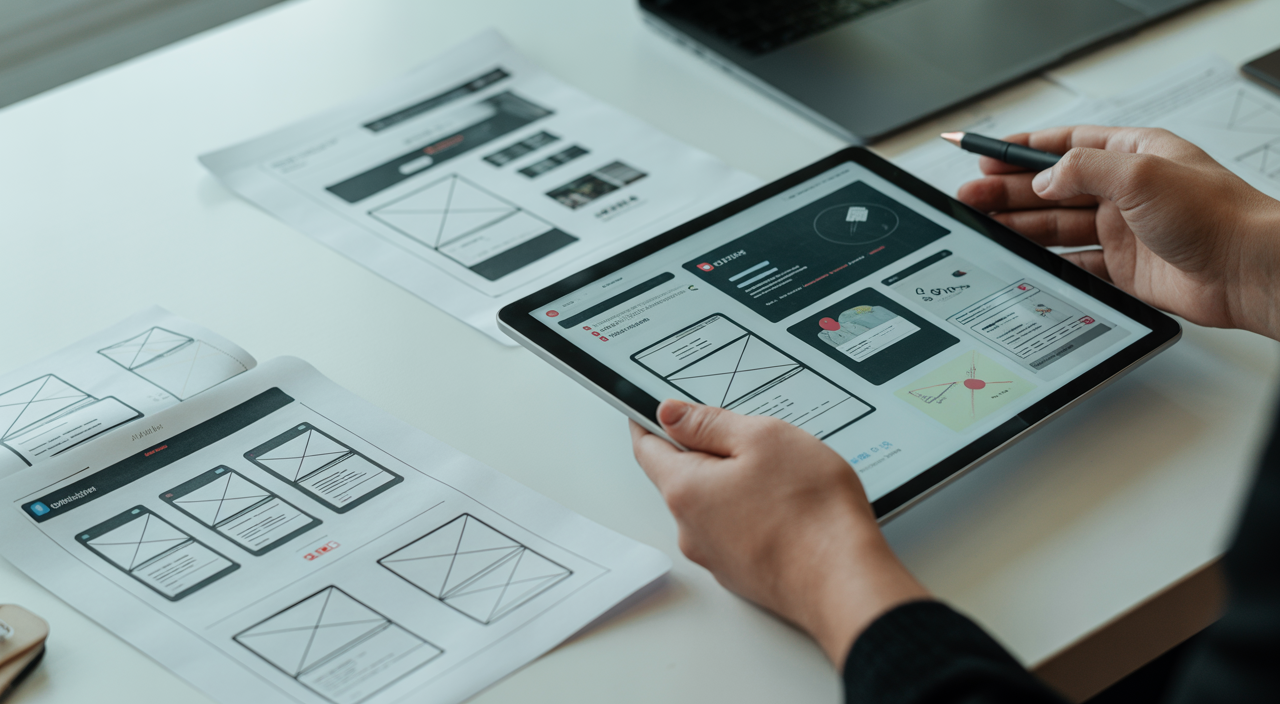
Good website development combines strategy, design, coding, security, and ongoing support. When all these parts work together, your site feels smooth to users, loads quickly on mobile, and quietly builds your brand every single day.
What exactly do website development services include?
Many people mix up website design and development. Design focuses on how the site looks and feels. Development focuses on how the site works in the background. Professional agencies usually offer both together as part of a complete digital solution.
Typical services include:
- Strategy and planning – Understanding your business model, audience, and goals.
- UX/UI design – Creating layouts that are easy to use and visually appealing.
- Front-end development – Building the part of the site users see with HTML, CSS, and JavaScript.
- Back-end development – Handling databases, logic, and integrations with other systems.
- Web application development – Building portals, dashboards, tools, and more complex features.
- Testing and quality checks – Ensuring the site works on different devices and browsers.
- Maintenance and support – Updating content, fixing bugs, and improving performance.
Advanced teams also handle ecommerce, booking systems, custom dashboards, and analytics setups so you can track conversions and revenue.
Why your business needs professional web development
A do-it-yourself website can work in the very early days. But as you grow, it often becomes slow, hard to manage, and limited in features. Professional website development services take your digital presence from “basic online brochure” to a real growth engine.
Here is how a well-built site helps:
- Higher conversions – Clear navigation, strong calls to action, and smooth forms can increase leads and sales.
- Better mobile experience – Responsive web design makes your site adapt to phones and tablets, which is critical in mobile-first markets like India.
- Improved SEO – Clean code and fast loading help your pages rank better on search engines.
- Stronger brand trust – A modern, secure site tells visitors you are serious and stable.
For investors and business owners, a strong website often increases the valuation of a company because it proves digital readiness and scalability.
Key components of a next-generation customer experience
Today, people expect more than just a static site. They want a smooth, personalised digital customer experience across devices. When you evaluate providers, look for capabilities like:
- Mobile-first development – Designing for smartphones first, then scaling up to larger screens.
- Progressive web apps (PWAs) – Websites that behave like apps, work offline, and load extremely fast.
- Headless CMS – Content systems where design and content are decoupled, making it easier to manage multiple apps, languages, and channels.
- AI personalisation – Showing different content or offers based on user behaviour and profiles.
- API integrations – Connecting your site with CRMs, payment gateways, marketing tools, and more.
All these features together create a digital journey that feels simple on the surface, even though there is powerful technology working in the background.
A simple 5-step web development process
Most successful agencies follow a structured process. This keeps your project on time, within budget, and aligned with your strategy.
- Discovery and strategy
Goal: Understand your business in depth.
The team learns about your market, competitors, customer segments, and growth plans. Together you define clear goals like “increase leads by 30%” or “reduce support tickets”.
- UX/UI design
Goal: Turn strategy into screens.
Designers create wireframes and visual designs that match your brand. You review and refine until the flows feel natural for your users.
- Development and integrations
Goal: Build the real product.
Developers code the front end and back end, set up the CMS, and integrate tools like email platforms, analytics, and payment systems.
- Testing and quality assurance
Goal: Catch issues before launch.
The team tests on multiple browsers, checks page speed, fixes bugs, and ensures forms, search, and checkout all work as expected.
- Launch and ongoing optimisation
Goal: Keep improving based on data.
After launch, you track key metrics such as traffic, sign-ups, and revenue. Small updates, A/B tests, and content changes keep the site fresh and effective.
Technology trends Indian businesses should know
When you plan your next site, it helps to understand a few current trends:
- Headless CMS and JAMstack – These setups separate content, design, and delivery. They often give faster loading times and better security.
- Progressive web apps – Great for ecommerce and content-heavy sites that want app-like speed without forcing users to download from an app store.
- Web accessibility standards – Ensuring people with disabilities can use your site. This includes readable fonts, proper colour contrast, and keyboard-friendly navigation.
- Analytics and experimentation – Modern stacks make it easy to test different headlines, layouts, and offers so you can keep increasing your ROI.
Choosing a partner who understands these trends gives your business an edge over competitors still using outdated setups.
How much do website development services cost?
Pricing depends on scope, features, and the experience level of the team. Still, you can think in broad ranges:
- Basic brochure site – A few pages, simple forms, standard design. Suitable for early-stage ventures.
- Business website – Custom design, advanced contact forms, blogs, and integrations with marketing tools.
- Ecommerce or web application – Product catalogues, payment systems, user accounts, dashboards, and complex workflows.
When you discuss cost, ask for a clear breakdown of design, development, content, and maintenance. A transparent proposal helps you compare vendors fairly and avoid hidden surprises later.
Tips for choosing the right development partner
Before you sign a contract, keep these points in mind:
- Check portfolio and live sites for speed, clarity, and mobile performance.
- Ask how they measure success after launch, not just at go-live.
- Look for long-term support plans, not just one-time delivery.
- Ensure they explain technical terms in simple language.
For extra insights on selecting expert support services, you may also explore guidance on how consulting services can uplift businesses, which follows similar principles of clarity, transparency, and measurable outcomes.
If you are planning broader upgrades for your property or portfolio, resources on selling products effectively through your website can also help you think through digital channels more holistically.
FAQs on website development services
Q1. How long does it take to build a new website?
For a small brochure site, timelines can be as short as 4 to 6 weeks, including design, content, and testing. A mid-sized business site often takes 8 to 12 weeks. Complex ecommerce or web applications may take several months, especially if there are many integrations and custom workflows.
Q2. What should I prepare before starting a web development project?
Have clarity on your main goals, target audience, and key pages you need. Collect your brand assets such as logo, colours, and any existing content. A simple list of competitor sites you like and dislike is also very useful. This preparation helps your chosen partner move faster and deliver a site that matches your vision.
Q3. Do I need ongoing maintenance after launch?
Yes, regular maintenance keeps your site secure, updated, and fast. It includes software updates, backups, performance checks, and small improvements based on analytics. Treat your website like a long-term investment that grows with your business, rather than a one-time project that you forget after launch.


