
When you have a health condition that requires you to take medication, it can be difficult to get your hands on the medicine you need. This is especially true if you don’t have health insurance or your insurance doesn’t cover your medications. Fortunately, there are several prescription assistance programs out there that can help make getting the medications you need easier. In this blog post, we will provide a brief overview of each program and what you should do if you find yourself in need of their assistance.
What is the Prescription Assistance Program?
The Prescription Assistance Program (PAP) is a government-run program that helps low-income seniors and people with disabilities afford prescription medications. The PAP offers funding for eligible patients to purchase medications from participating pharmacies at discounted prices.
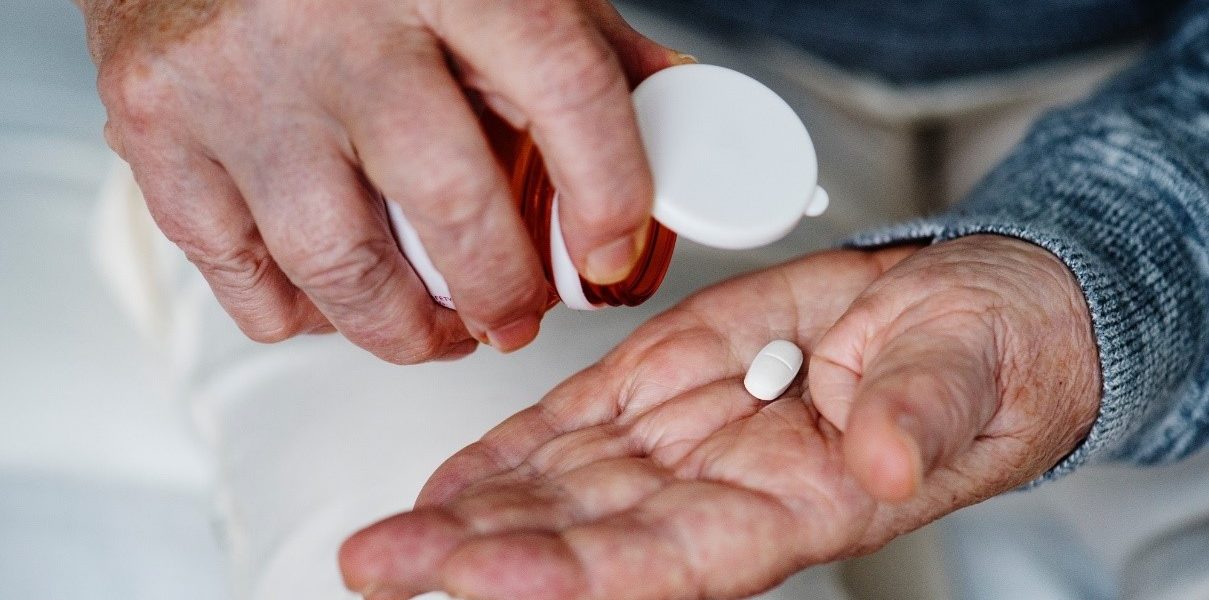
The PAP is available to residents of the United States who are aged 65 or older, have a physical or mental disability that substantially limits one or more major life activities, and receives Social Security benefits. Eligibility is based on income, health status, and drug costs.
Families who qualify for the PAP can receive up to $2,650 per year in assistance. Eligible patients can only receive help once they have received a diagnosis of an illness or injury that requires medication treatment. Patients must also agree to take their medication as prescribed by their doctor.
How does the PA program work?
The Prescription Assistance Program (PAP) is a government-sponsored program that helps low-income seniors and people with disabilities afford prescription medications. If you are eligible, the PAP will help you get a prescription for medicine or treatment that you need. You do not have to be signed up for Medicare to participate in the PAP.
Different types of Prescription Assistance Programs
There are different types of prescription assistance programs available.
Here is a brief overview:
Community-based prescription assistance programs offer help to low-income, uninsured individuals and families who need to fill their prescriptions. The program covers the cost of the prescription, up to a certain limit, and sends the medication directly to the patient's home.
State-based prescription assistance programs are similar to community-based programs, but they are operated by state governments. These programs usually have higher limits on coverage and provide more comprehensive services, including help with filling prescriptions, obtaining insurance coverage, and finding financial resources such as Medicaid or food stamps.
Federal Prescription Drug Assistance Programs (FPDAPs): Is designed to provide financial assistance for people who cannot afford their medications. FPDAPs work with drug manufacturers to reduce the price of medications for eligible patients, and they also provide limited financial assistance for generic medications and other costs associated with taking medications, such as doctor visits or health insurance premiums.
What are the Benefits of the Prescription Assistance Program?
PAP provides help with the cost of medications, including brand-name and generic drugs.
The PAP has helped millions of Americans afford their prescription medications since its inception in 1997. The program is open to all Americans who have difficulty paying for their prescriptions, regardless of race, ethnicity, religion, or income level. This means that everyone who needs help accessing necessary medicines can qualify for the PAP.
The PAP program has many benefits for those who qualify:
- Prescription drug costs can be expensive, and the PAP program can help reduce the burden on patients and their families.
- People who receive medication through the PAP program are less likely to skip doses or go without needed medications because of cost. This can keep them healthier and ensure they have the best possible chance of recovering from an illness.
- The PAP program can also help people afford specialty medications, which are often more expensive than standard medications.
How to apply for the Prescription Assistance Program?
There are several ways to apply for the PAP program: online, by phone, or in person. Applicants must meet certain eligibility requirements in order to be considered for assistance. The most common eligibility requirement is that patients have an annual income below 250% of the poverty level. In addition, applicants must have a valid prescription for a medication that they need to purchase with assistance from the PAP program.
There are a few things to keep in mind when applying for the PAP program:
- The PAP program does not offer assistance with medications that are covered by insurance.
- The PAP program does not offer assistance with medications that are prescribed by a doctor.
- The PAP program offers rebates on prescription medications, but these rebates may not be available on all medications.
- The PAP program offers medication discount cards, but these cards may not be available in all areas.
- The PAP program offers assistance with out-of-pocket costs, such as copays and deductibles, but these costs may vary depending on the medication.
- The PAP program does not offer assistance with transportation costs to get medications.
Conclusion
If you are in need of prescription assistance, there are programs available that can help. Not only can these programs provide you with the medication you need, but they can also connect you with specialists who can help you manage your condition. If you are looking for a way to improve your health and feel better about yourself, contact one of these programs today and see how they could be a part of your solution.