


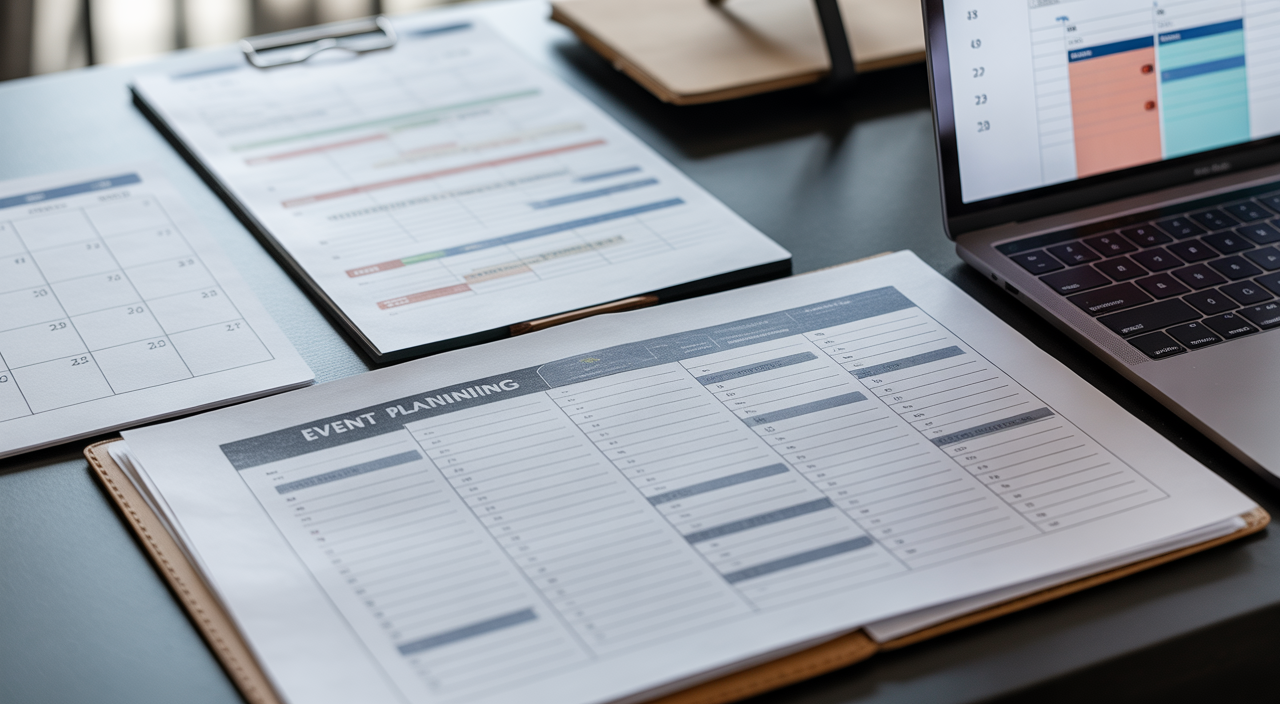
What is company event management and how can you get it right in Australia?
Company event management is the organised way of planning and running business events such as conferences, offsites, product launches, training days, and award nights. Done well, it lifts your brand, keeps teams motivated, and strengthens client relationships. Done in a rush, it can drain budgets and leave guests confused or bored.
If you are a marketing head, HR leader, or business owner, you already know how much work goes into a single event. That is why many Australian businesses turn to expert partners for company event management to handle the heavy lifting while they focus on guests and strategy.
This guide walks you through a simple, clear process suitable for Australian companies of all sizes. Whether you are planning an in-person, virtual, or hybrid event, you will find practical tips you can act on right away.
Start with clear goals and success metrics
Every strong corporate event begins with a simple question: “Why are we doing this?” Your answer should fit your business goals. Common reasons include team building, launching a new product, rewarding sales performance, or educating customers.
Once you know the “why,” set 2 or 3 success metrics. These could be number of registrations, attendance rate, lead conversions, or staff satisfaction scores. For internal events, a short post-event survey can show if the session really helped your teams.
Keep your goals realistic and linked to your budget. A premium gala dinner for 300 people in Sydney CBD needs a very different budget and planning approach compared to a half-day training in your office.
Plan company events step by step
To stay in control, treat company event management like a project with clear phases. Here is a simple breakdown you can use as a checklist.
- Define the audience: Who are you inviting? Staff, partners, VIP clients, or a mix?
- Lock dates early: Avoid long weekends, school holidays, and major public events.
- Set a budget: Include venue, food, audio-visual, décor, travel, marketing, and a buffer of 10–15%.
- Build a timeline: Work backwards from the event date to fix key deadlines.
If you like project-style structure, you might also enjoy reading about how expert consulting support can boost business performance, as the mindset is similar to strong event planning.
Smart budgeting for Australian corporate events
Budgets often feel like the biggest stress point. A simple method is to split your cost into key buckets, then assign percentage ranges to each.
- Venue and logistics: 30–40%
- Catering: 25–35%
- Audio-visual and tech: 15–25%
- Décor, brand elements, and gifts: 10–15%
- Marketing, speakers, and entertainment: 10–20%
In Australia, venue and catering costs can rise quickly in major cities like Sydney, Melbourne, and Brisbane. Ask for itemised quotes and check what is included, such as Wi-Fi, staging, microphones, and basic lighting. Avoid surprises by confirming overtime rates and extra charges up front.
Choosing the right venue in Australia
Venue selection is one of the biggest decisions in any business event coordination. While five-star hotels and convention centres are popular, they are not your only choices. Many Australian cities offer stylish warehouses, waterfront venues, wineries, and creative studios that can give your event a fresh feel.
When you inspect venues, think about:
- Location and access: Is it easy to reach by public transport and ride-share?
- Capacity and layouts: Can it handle both plenary sessions and small breakouts?
- Technical setup: Internet speed, in-house AV team, and support for hybrid streaming.
- Local regulations: Licensing, noise rules, and safety policies.
Regional venues can be a great choice for offsites and leadership retreats. They often offer package deals with accommodation and activities, which keeps costs predictable.
Managing vendors, contracts, and timelines
Strong event vendor management is at the heart of smooth company event planning. Common vendors include caterers, AV suppliers, décor and styling teams, transportation providers, and professional photographers.
Before you sign, ask for references or sample work. Confirm delivery times, bump-in and bump-out windows, and what happens if a supplier faces an emergency. For clarity, put key points in writing:
- Scope of work
- Exact timing and location
- Payment terms and cancellation rules
- Responsibility for damage or delays
For larger or more complex projects, some companies also explore creative event agency support to shape unique experiences that align with their brand story.
Engaging your attendees: in-person, virtual, and hybrid
In 2024, many Australian firms run a mix of in-person, virtual, and hybrid events. While in-person formats are great for networking and culture, virtual and hybrid options help you reach remote teams and interstate clients.
To keep people engaged, focus on:
- Short, focused sessions instead of long talks
- Live polls, Q&A, and chat for virtual segments
- Panel discussions with local industry experts
- Interactive workshops and breakout rooms
Hybrid events work best when both live and online guests are treated with equal care. Make sure cameras, audio, and screen sharing are tested and that a dedicated team member watches the virtual chat so remote attendees feel heard.
Measuring ROI and learning from each event
To prove the value of your workplace event management efforts, you need numbers and feedback. Start with simple data points such as registrations, show-up rates, and average time spent at sessions.
Then add qualitative inputs like survey ratings, open comments, and feedback from sales or HR teams. Over time, compare these metrics across events to see what formats and topics work best for your audience.
If your event goal is lead generation, track follow-up meetings and deals linked to the event. If your goal is employee engagement, look for changes in participation rates and internal satisfaction scores.
Useful tools and technology
Corporate event management software can simplify tasks like registrations, ticketing, agendas, and email reminders. Many tools also offer mobile apps for attendees, where they can see schedules, speaker bios, and venue maps.
For smaller events, you can still use simple spreadsheets, calendar tools, and video platforms. The key is to centralise your information so that everyone on the organising team works from the same, updated plan.
Common challenges and how to handle them
Even the best-organised events face a few bumps. Here are some frequent issues and simple ways to respond:
- Budget pressure: Prioritise core items like venue, catering, and AV first, then trim décor or gifts if needed.
- Last-minute changes: Keep a small buffer in your timeline and budget for urgent fixes.
- Safety and compliance: Follow local council rules, venue requirements, and workplace health policies.
With thoughtful planning and the right partners, these hurdles become easy to manage and your company event management process becomes smoother each time.
FAQs
Q1. What is the first step in company event management?
The first step is to define your event objective and target audience. Once you are clear about why you are hosting the event and who you want to attend, it becomes much easier to choose a venue, format, budget, and content that match your goals.
Q2. How much does corporate event management cost in Australia?
Costs vary widely based on city, venue type, number of guests, and event style. A small half-day workshop might cost a modest amount per person, while a large-scale conference with premium venues and high-end production can be several times higher. Setting a clear budget range early and asking for detailed quotes from suppliers will keep spending under control.
Q3. Should I manage events in-house or hire a professional agency?
If your event is small and your team has time and experience, in-house planning can work well. For larger, hybrid, or high-stakes events, a specialist agency can save time, reduce risk, and bring in creative ideas and supplier networks that are hard to build alone. Many Australian companies use a mix of both, keeping strategy internal and partnering with experts for execution.

Donald Mabry was born in New Jersey, Studied at Drew University. Currently working as Author at YoungMontana, Donald Mabry helps readers learn the Bussiness, Construction, Health, Law hone their skills, and find their unique voice so they can stand out from the crowd.